Skip to content
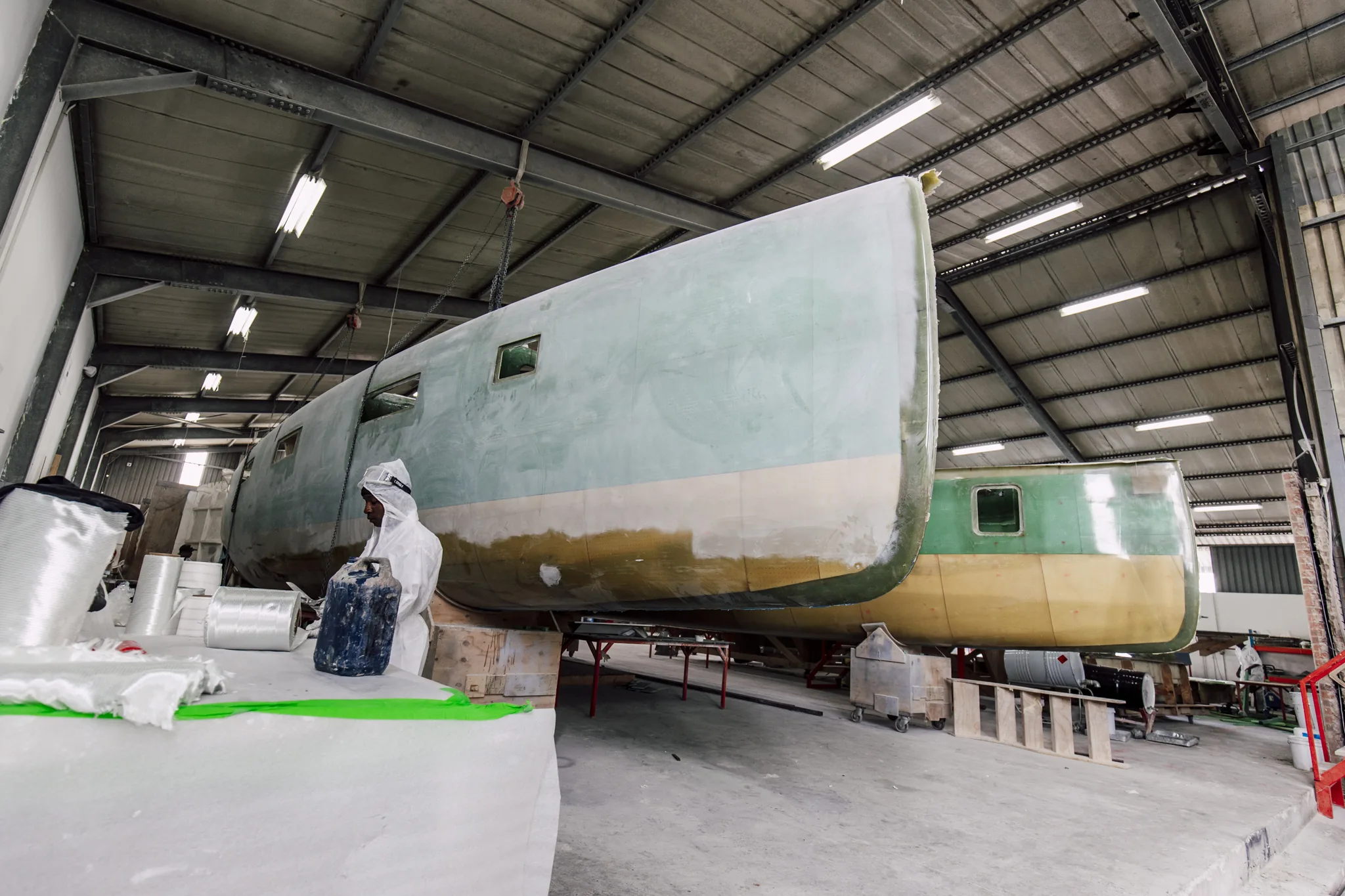
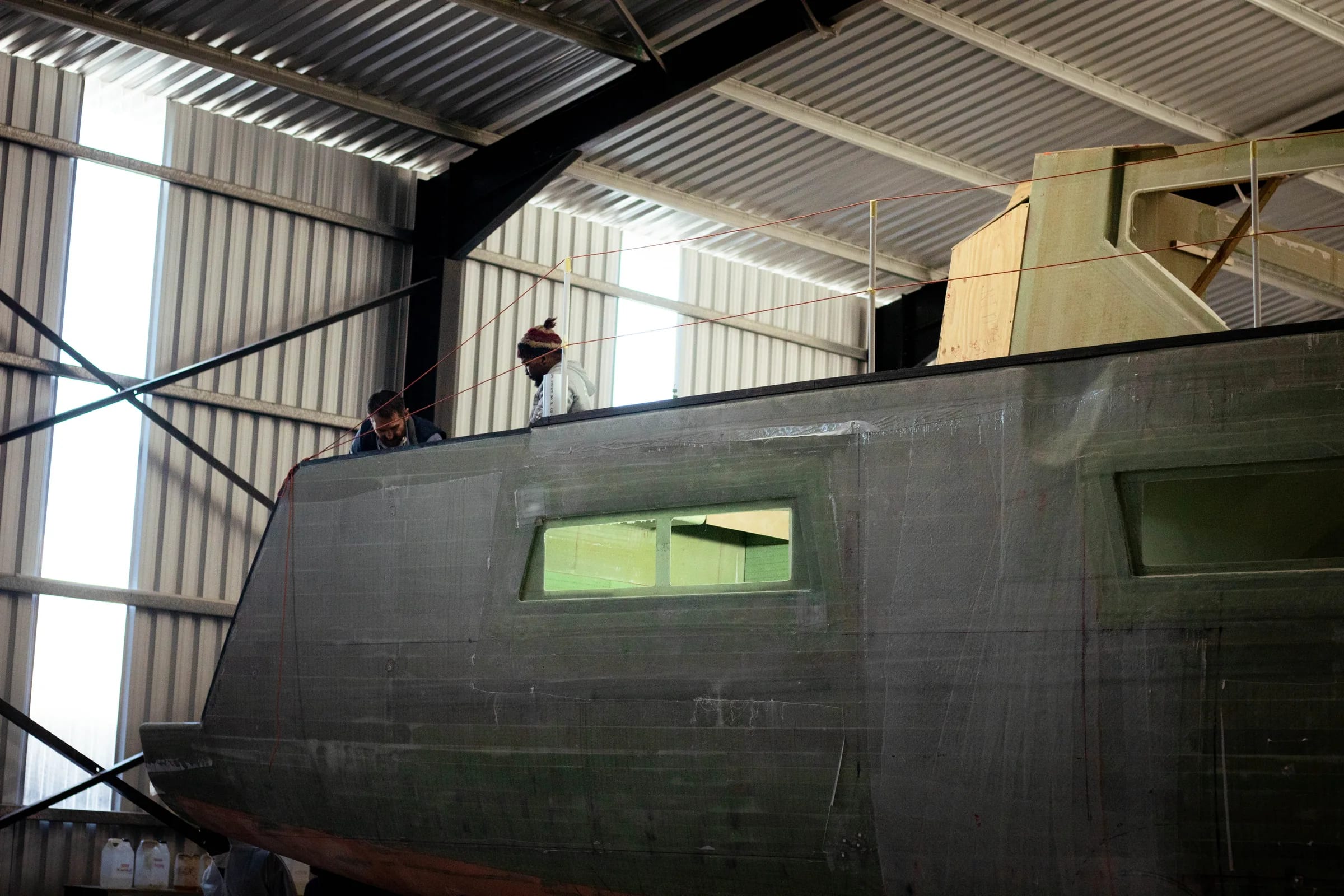
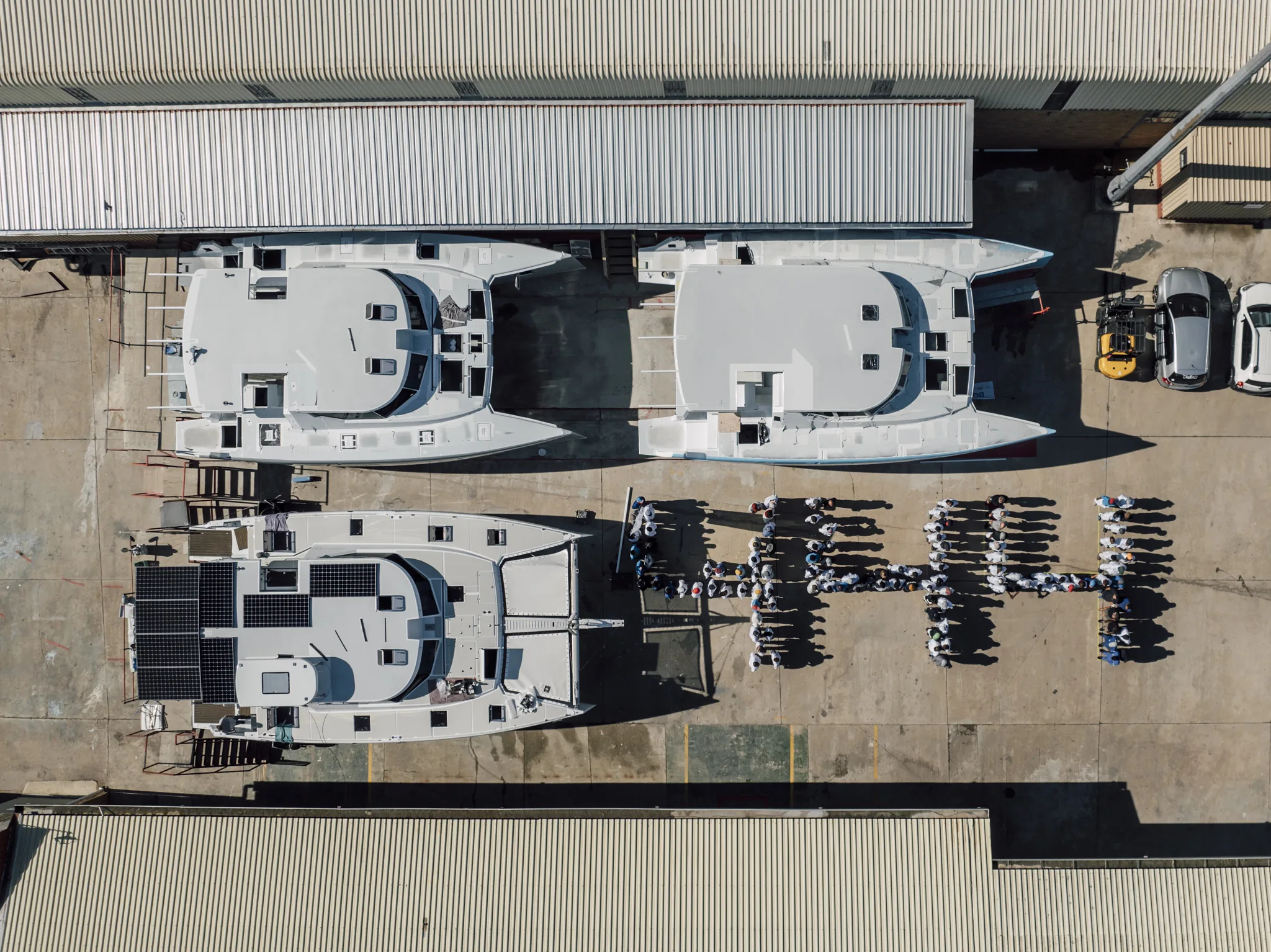
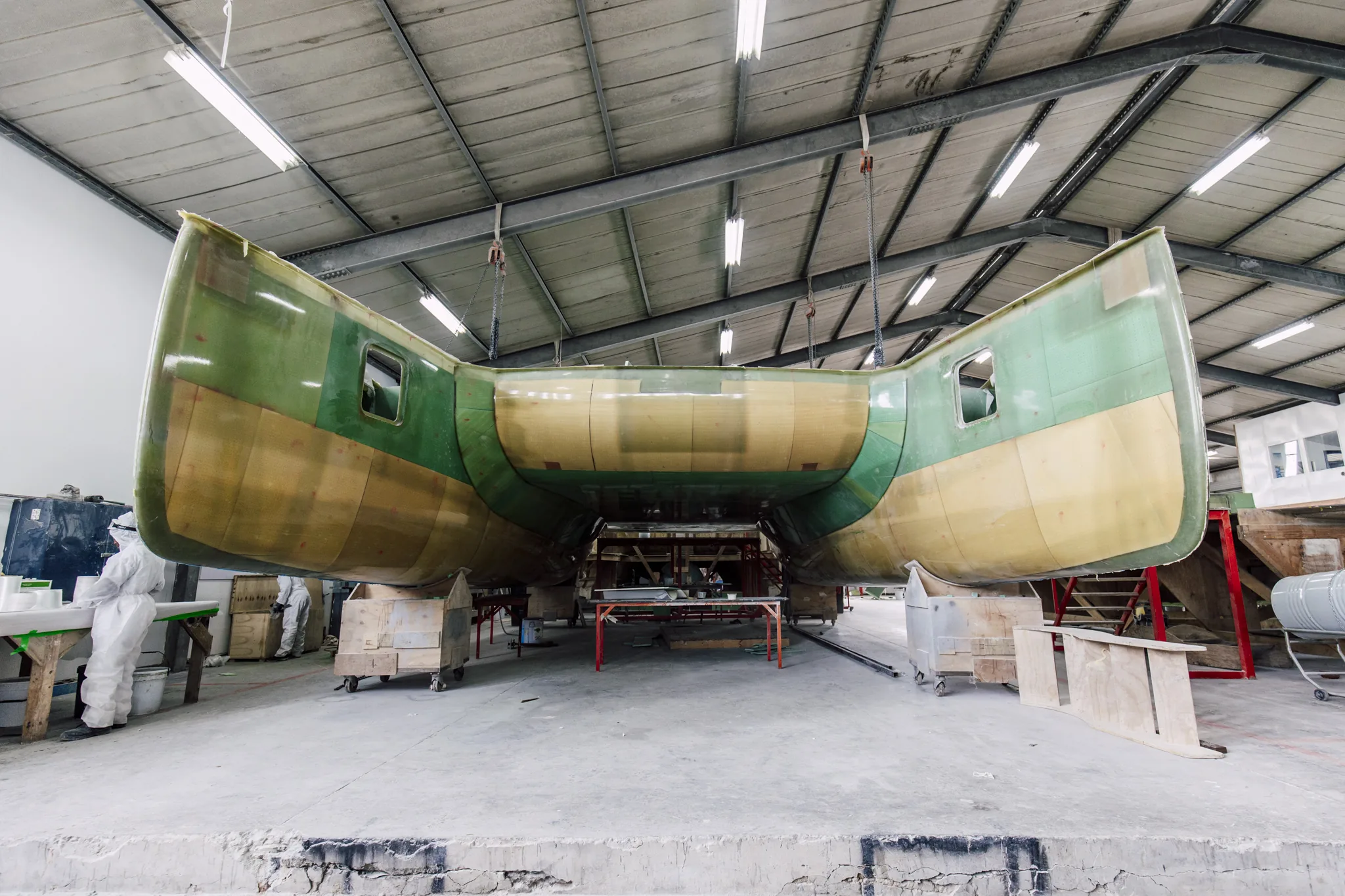
Three Vision hulls under construction, seen from above

The build

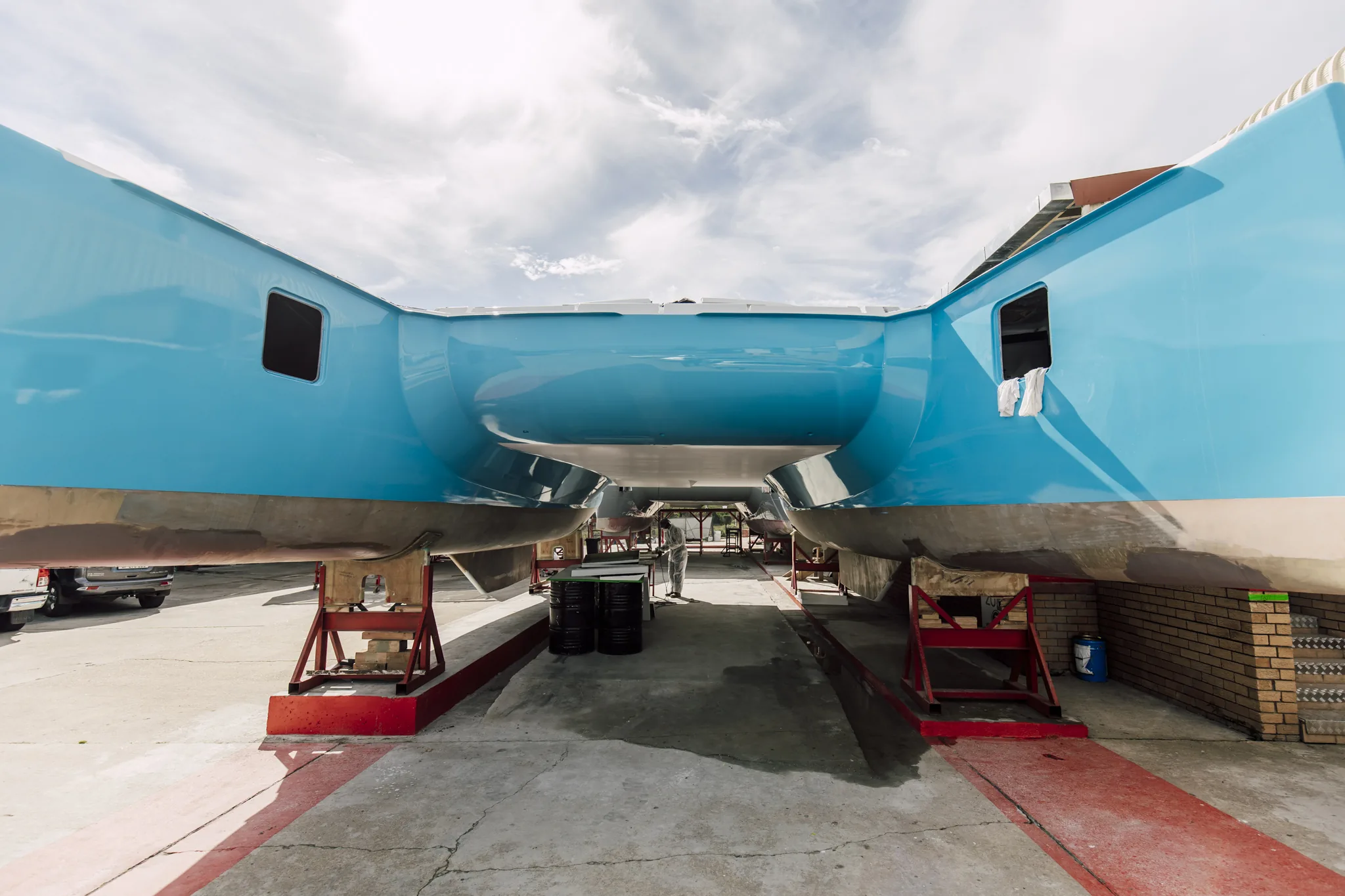
Three boats, three stages, one floor.

Every Vision is built under one roof in Knysna — hull to handover, by people who sail.

You can watch it cure.

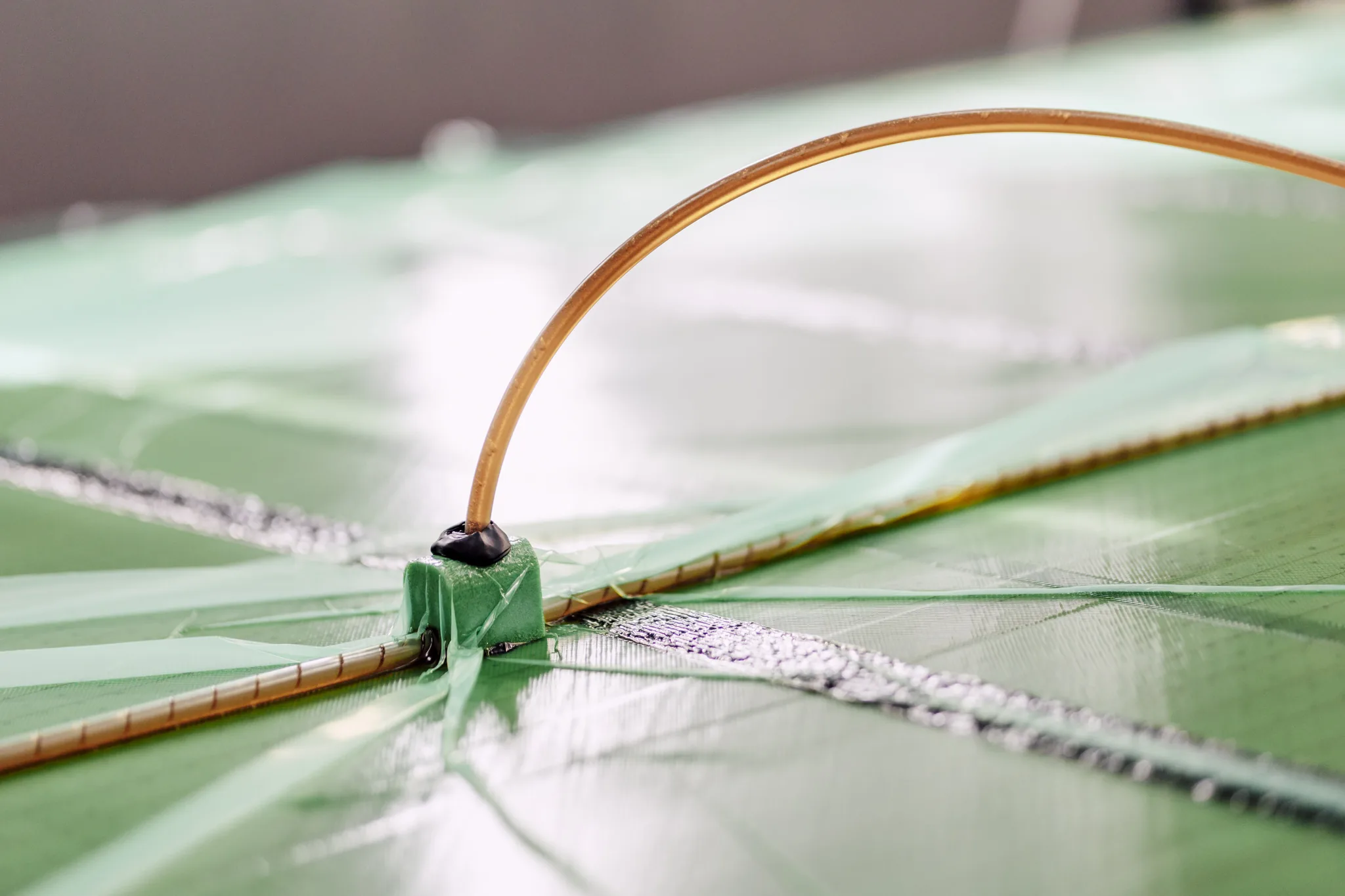
Hulls are built in resin-infused closed-cell foam sandwich with E-glass, cured in temperature-controlled halls.

Eighteen watertight compartments. Foam-filled bow crumple zones and keel-integrated water tanks that double as impact absorbers.

From cloth to commissioning

Seven stages.

  1. Design and engineering
    Stage 01

    01

    Design and engineering

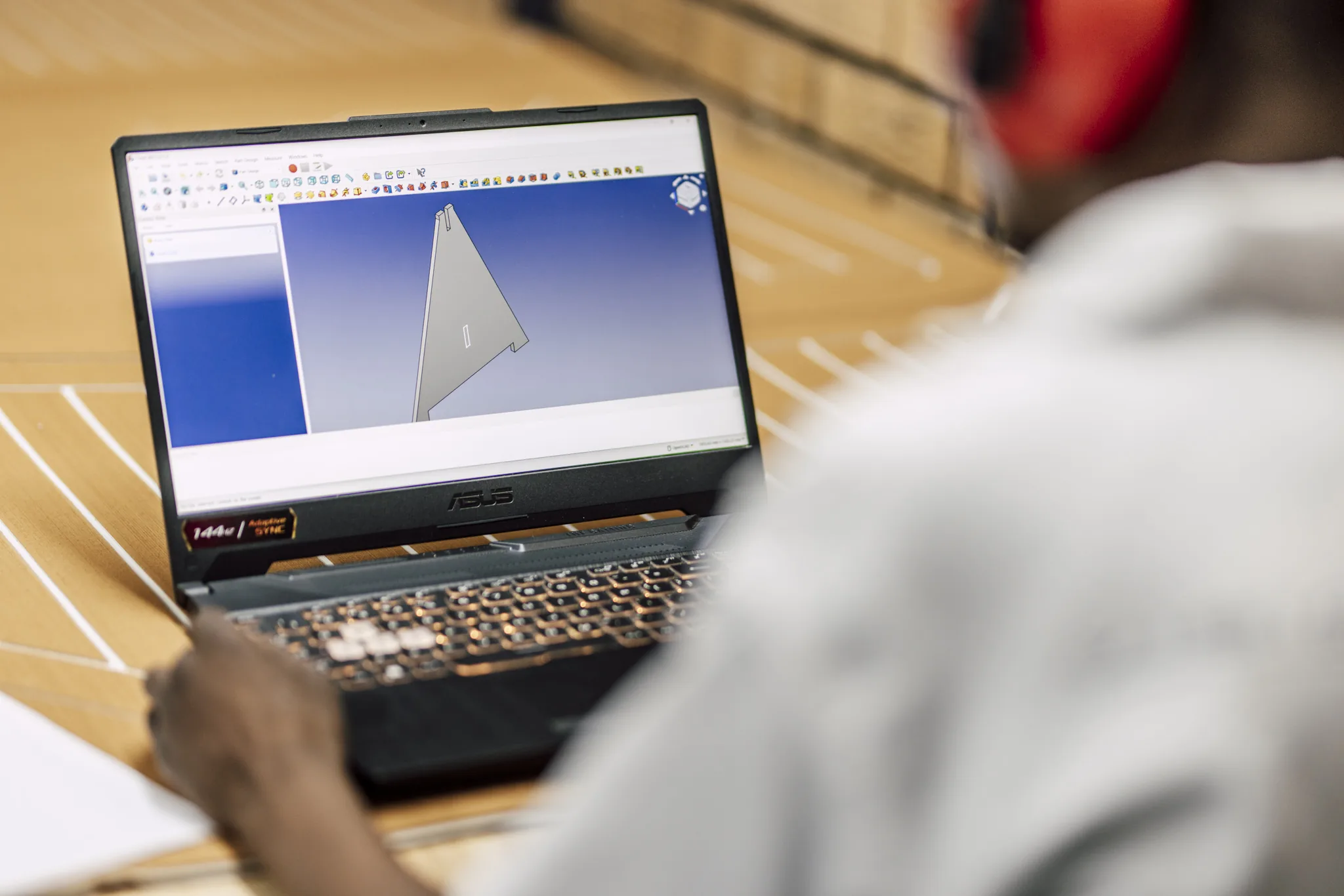
    Every system, layout and feature is shaped by real-world sailing experience. Mini keels, self-tacking jibs, intuitive system access and globally serviceable components are decisions made by people who have had to fix things at anchor, a long way from a chandlery.
  2. Tooling and moulds
    Stage 02

    02

    Tooling and moulds

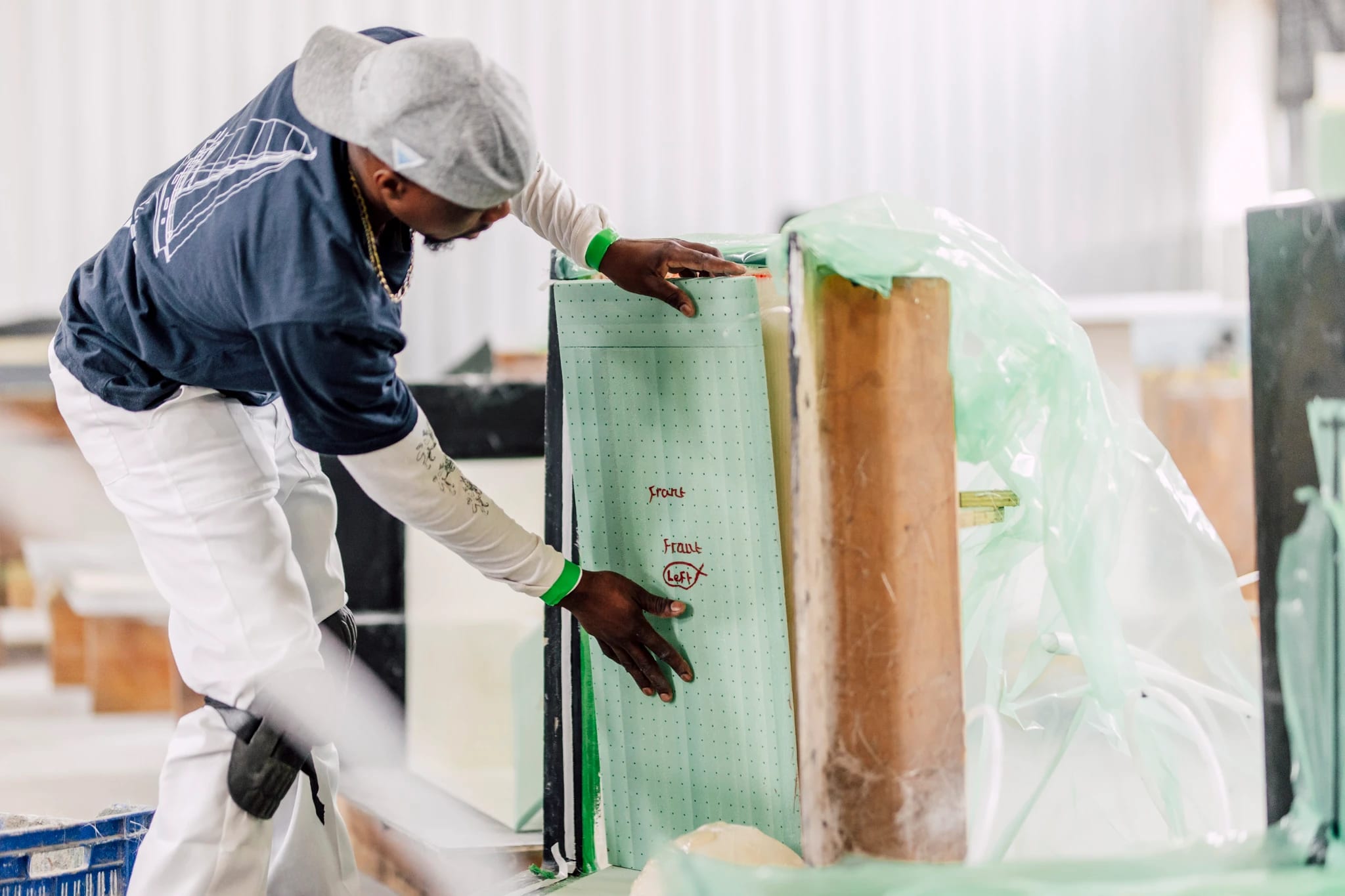
    Dedicated tooling zones hold the plugs and moulds for every hull, deck and structural component. A mould is a capital asset measured in years, and the tolerance it holds is the tolerance every boat that comes out of it will have.

  3. Lamination and resin infusion
    Stage 03

    03

    Lamination and resin infusion

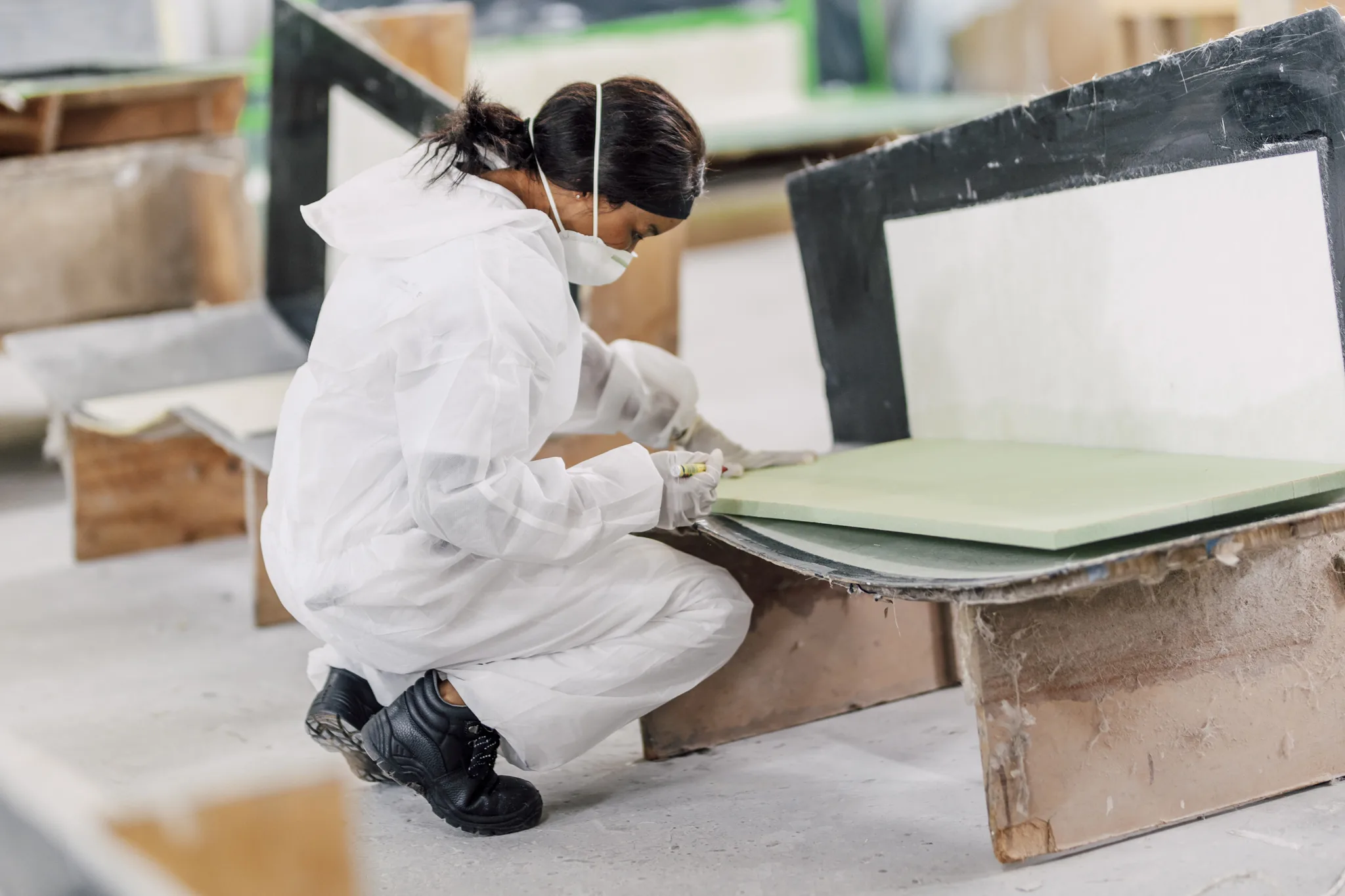
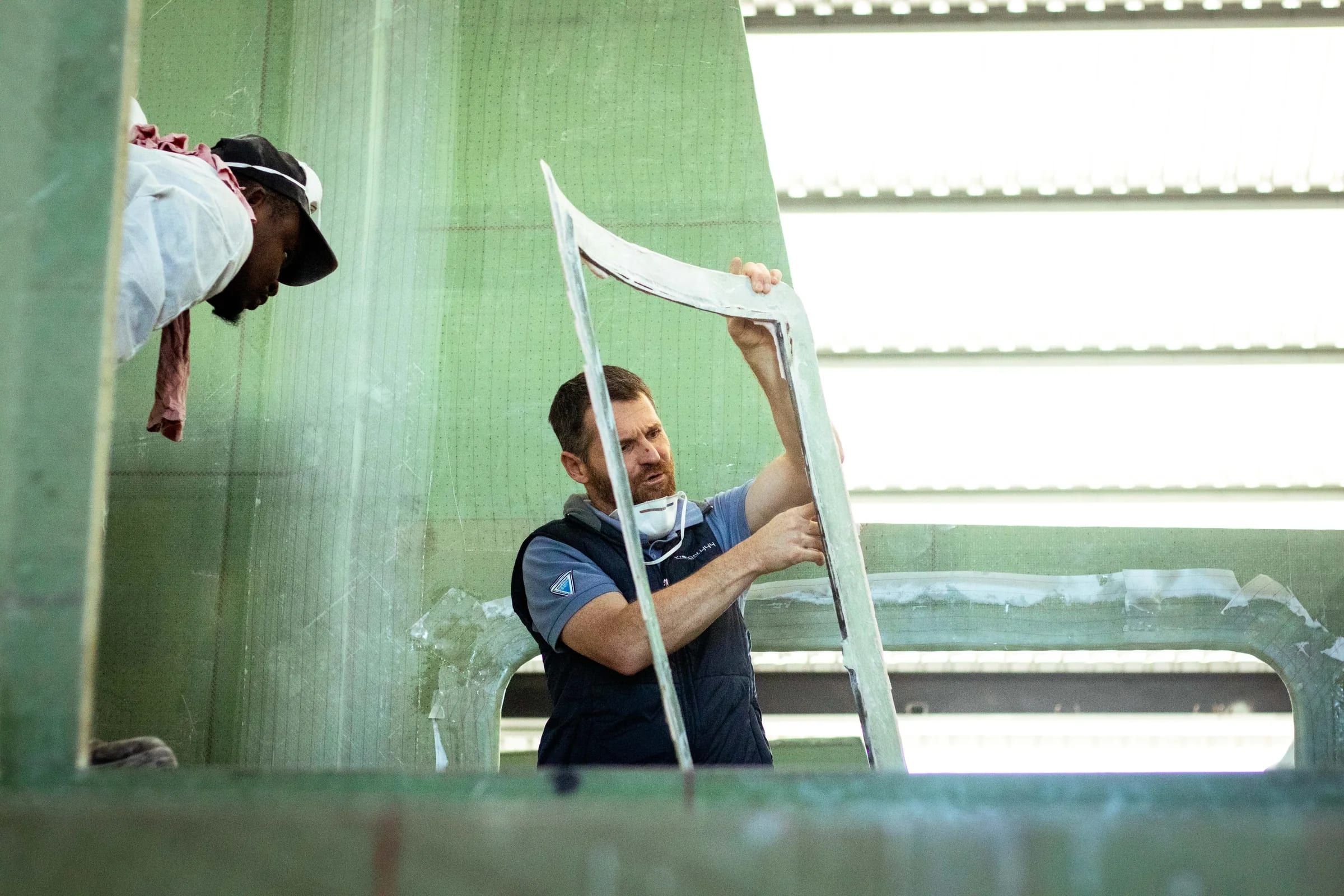
    Hulls are built in resin-infused closed-cell foam sandwich with E-glass throughout. The infusion runs in closed-environment halls that eliminate temperature variation during the cure, so the ratio of resin to fibre in the laminate is consistent from the first boat to the hundredth.

  4. Structure and watertight integrity
    Stage 04

    04

    Structure and watertight integrity

    The hull is divided into 18 watertight compartments for buoyancy and extreme damage containment. Foam-filled bow crumple zones and keel-integrated water tanks absorb impact. None of this is visible on a boat show tour, which is precisely why it matters.

  5. Joinery and fit-out
    Stage 05

    05

    Joinery and fit-out

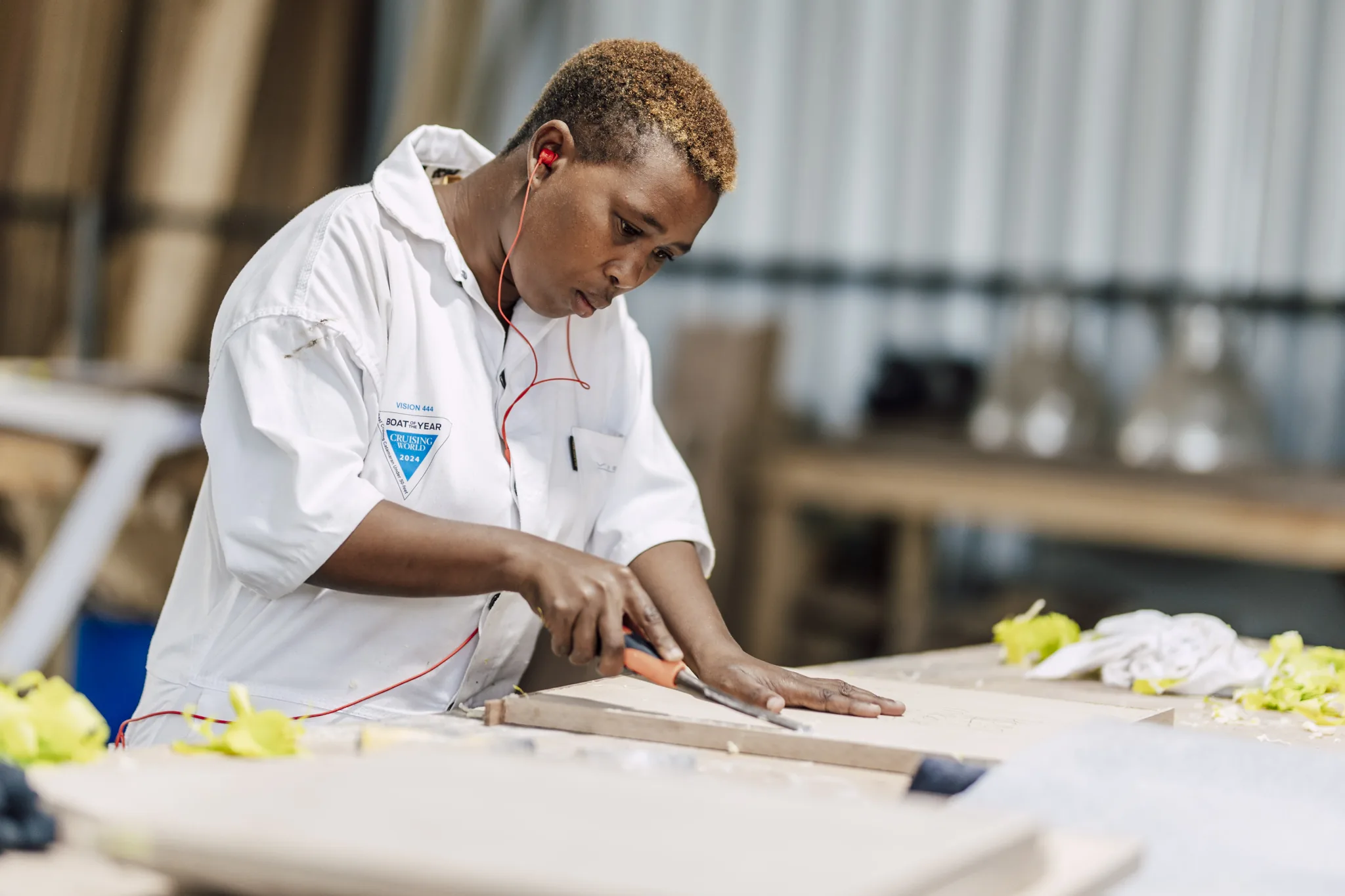
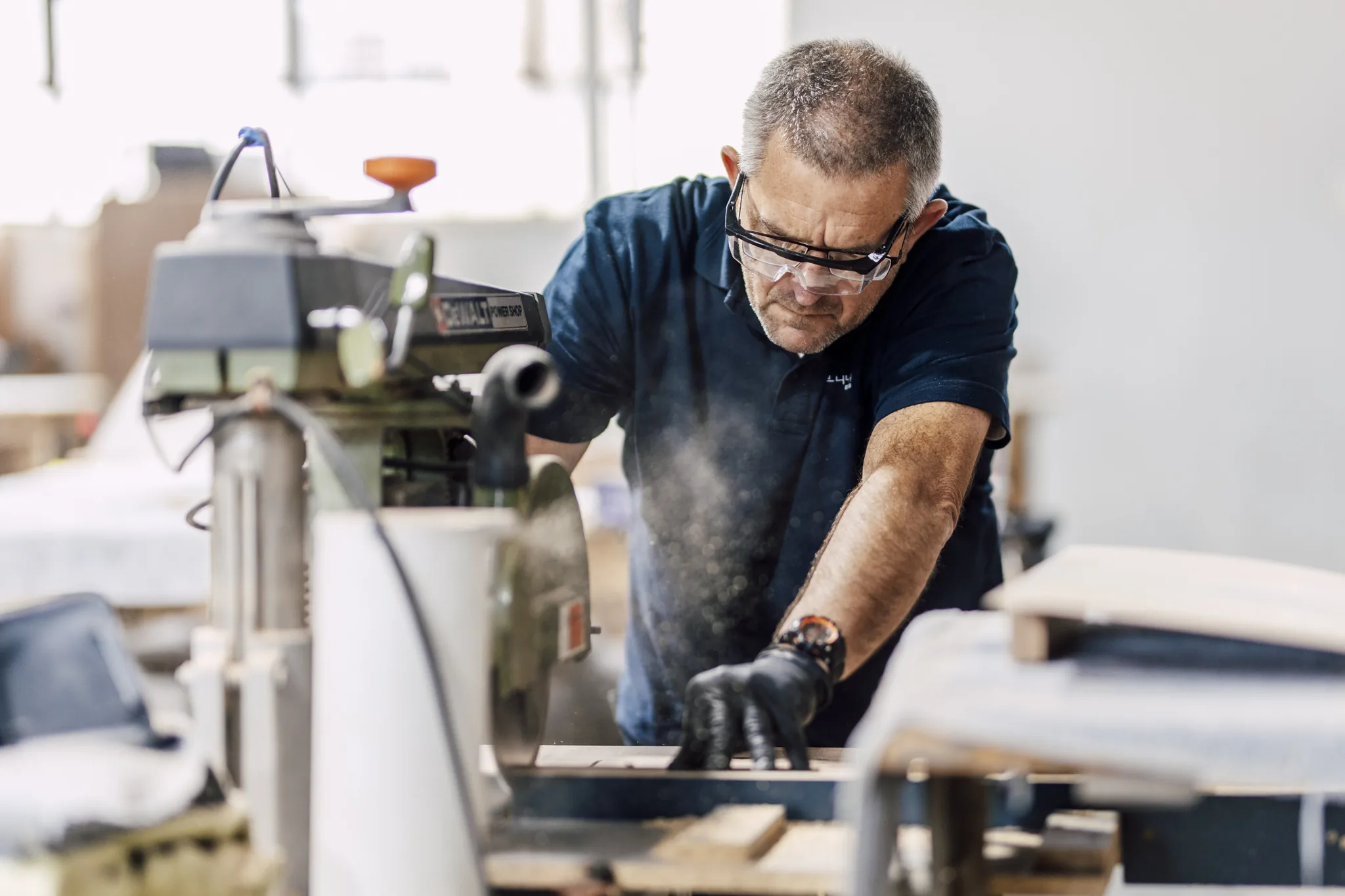
    Counters, cabinetry, fittings and fixtures are built in-house. Working to our own drawings in our own shop is what makes three galley configurations and a genuinely custom interior possible without a custom-build price.

  6. Systems and rigging
    Stage 06

    06

    Systems and rigging

    Electrical distribution boards are laid out and labelled so an owner can trace a circuit without a wiring diagram. Nanni engines go into an open engine room with a bench seat, front-facing service points and proper lighting — built to be maintained, not just installed.

  7. Sea trials and handover
    Stage 07

    07

    Sea trials and handover

    Every boat is sailed on the Knysna estuary and through the Heads before it is signed off. Every owner receives a personalised handover, comprehensive onboard training, and a two-year supply of spare parts as standard equipment.

In the hull

What the tour does not show you.

18
Watertight compartments
Buoyancy and damage containment
30,000+
Nautical miles logged
By owners, across the Atlantic and Pacific oceans
2 years
Spare parts supplied
Standard with every boat
11
Boats produced annually
Limited build capacity to maintain exceptional quality

The people

Built by sailors, for sailors.

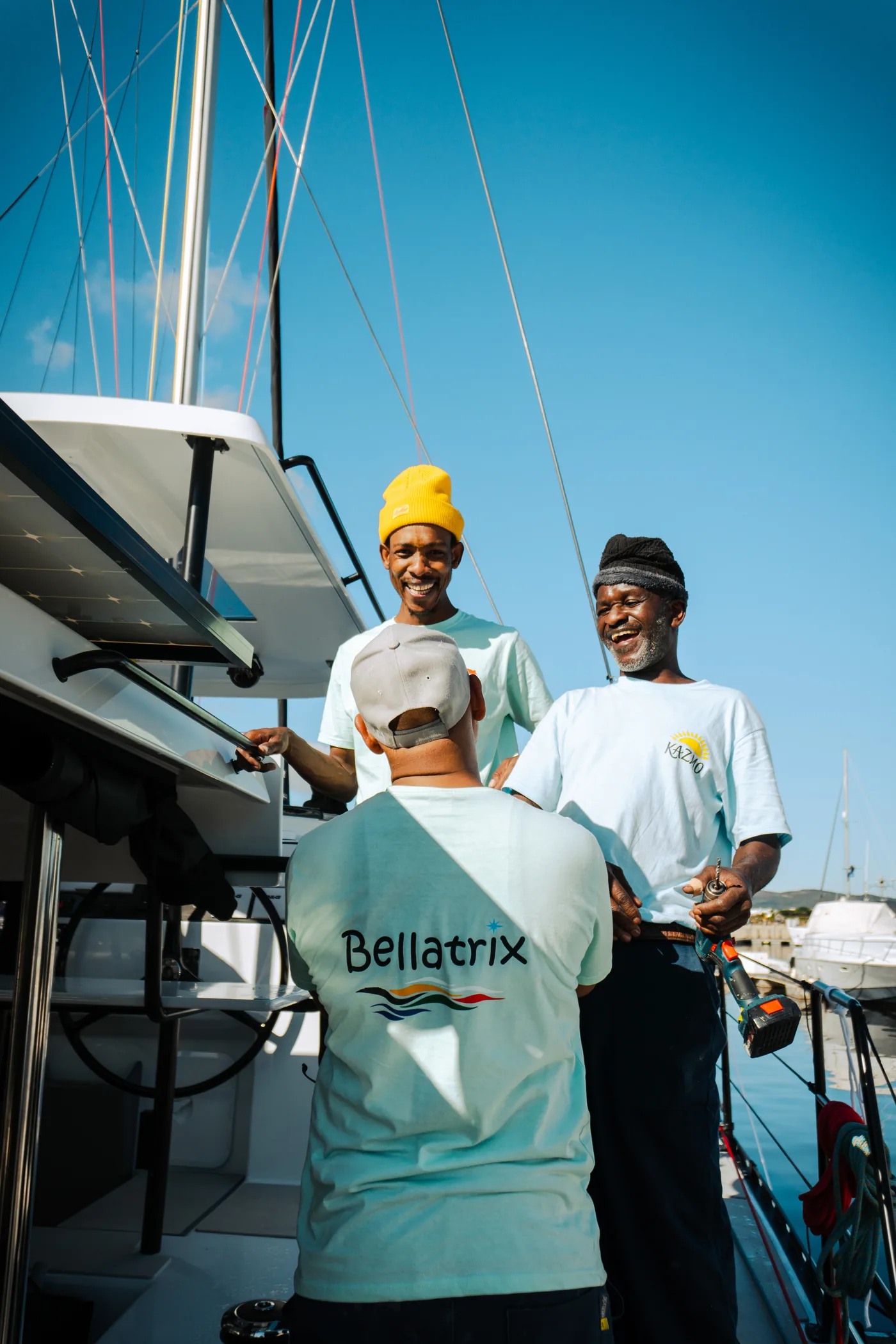
Designed by experienced sailors and built by expert craftsmen, every detail of the boat is carefully considered for long haul sailing, longevity, and easy maintenance. From the navigation station’s position to the systems layout, each component is thoughtfully assembled with the sailor in mind.

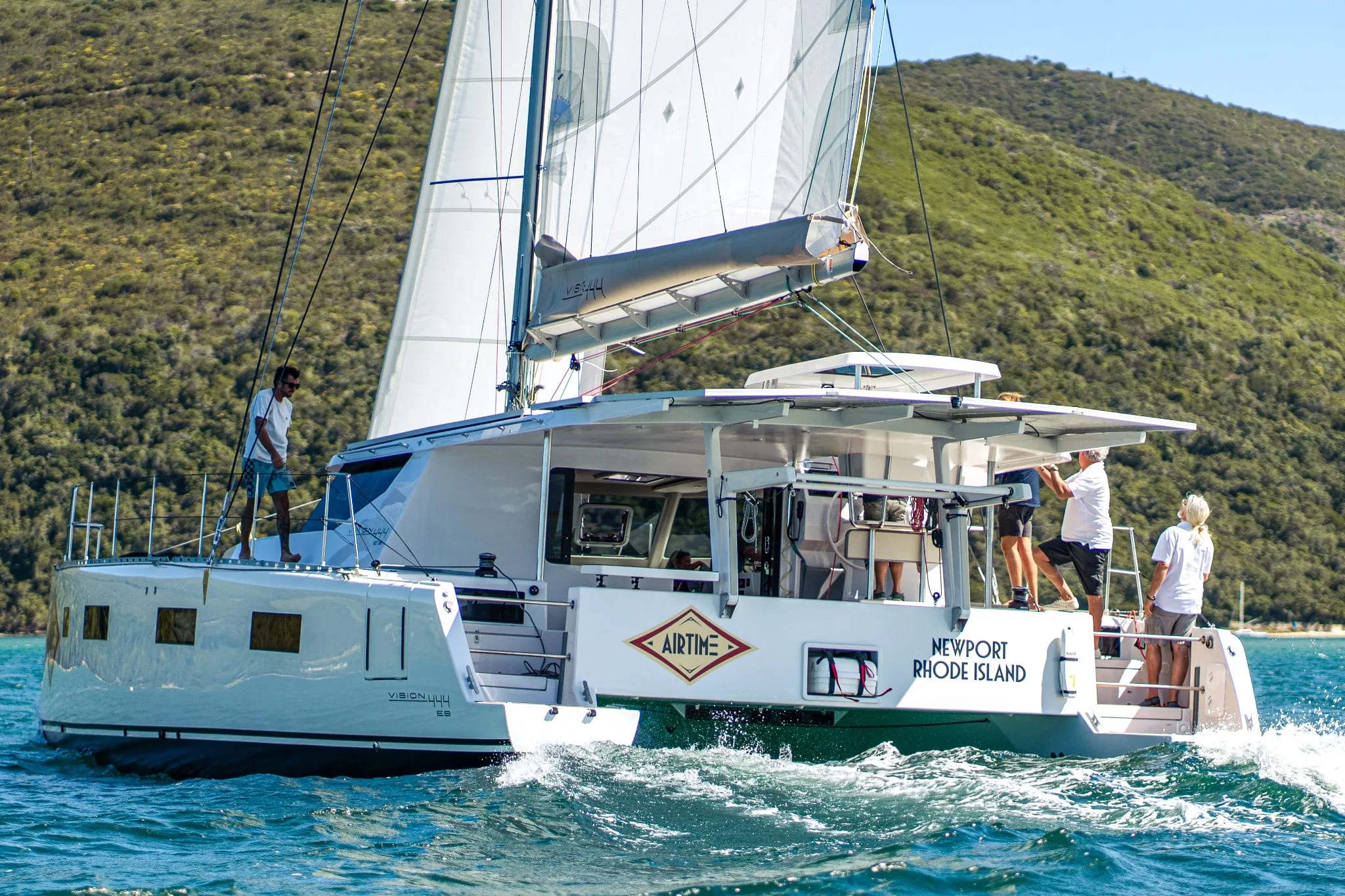
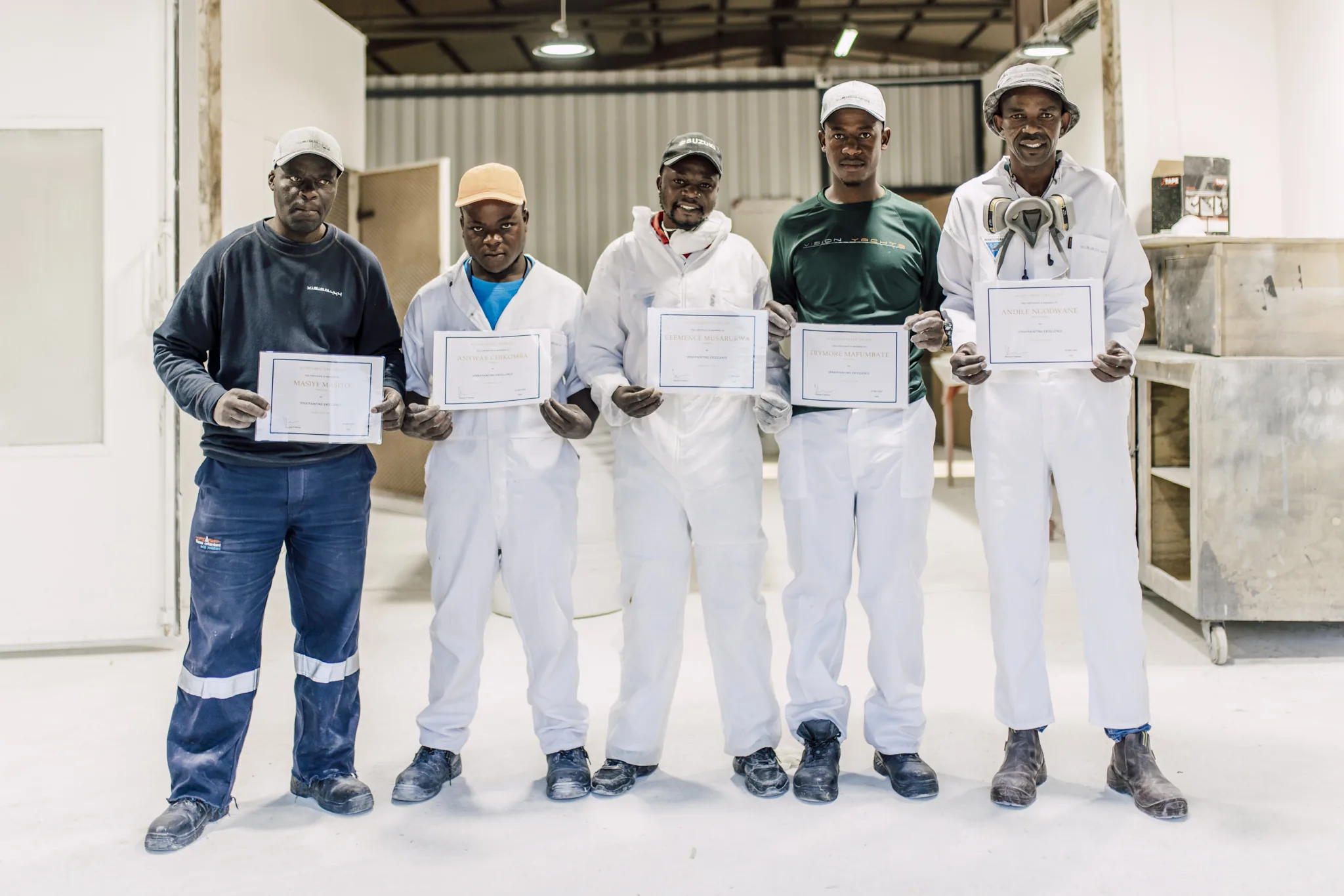
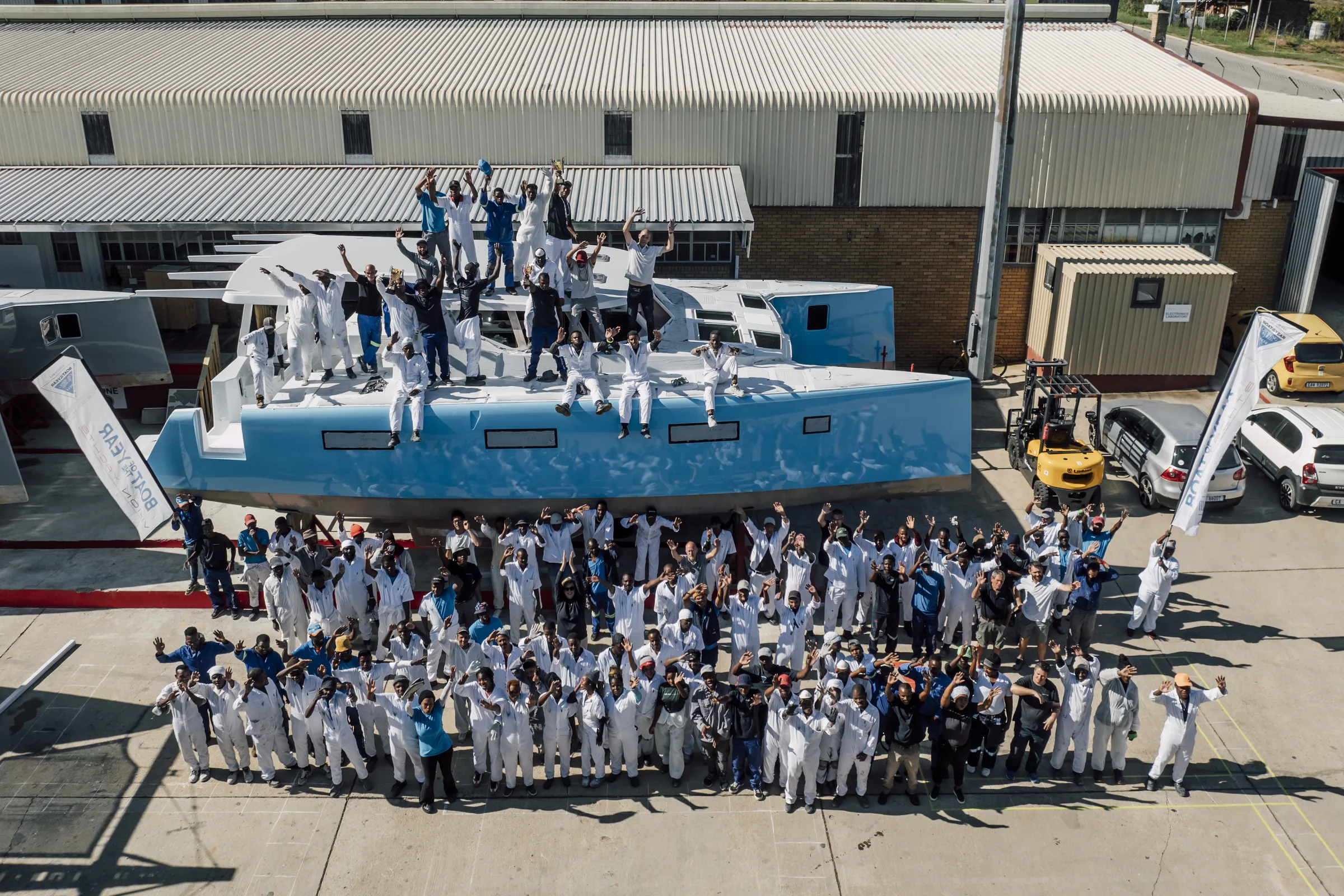
The Vision Yachts team at the Knysna factory
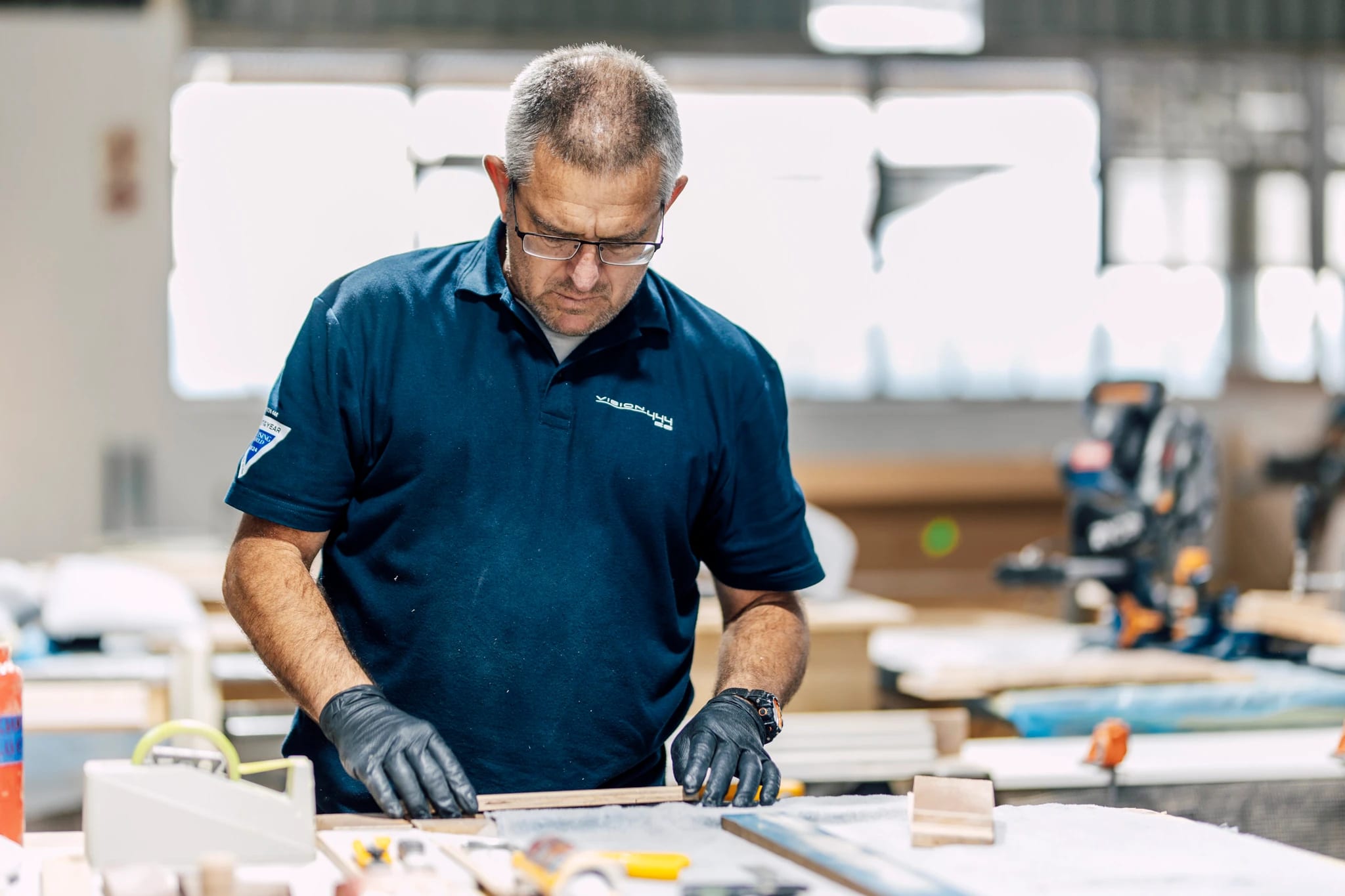
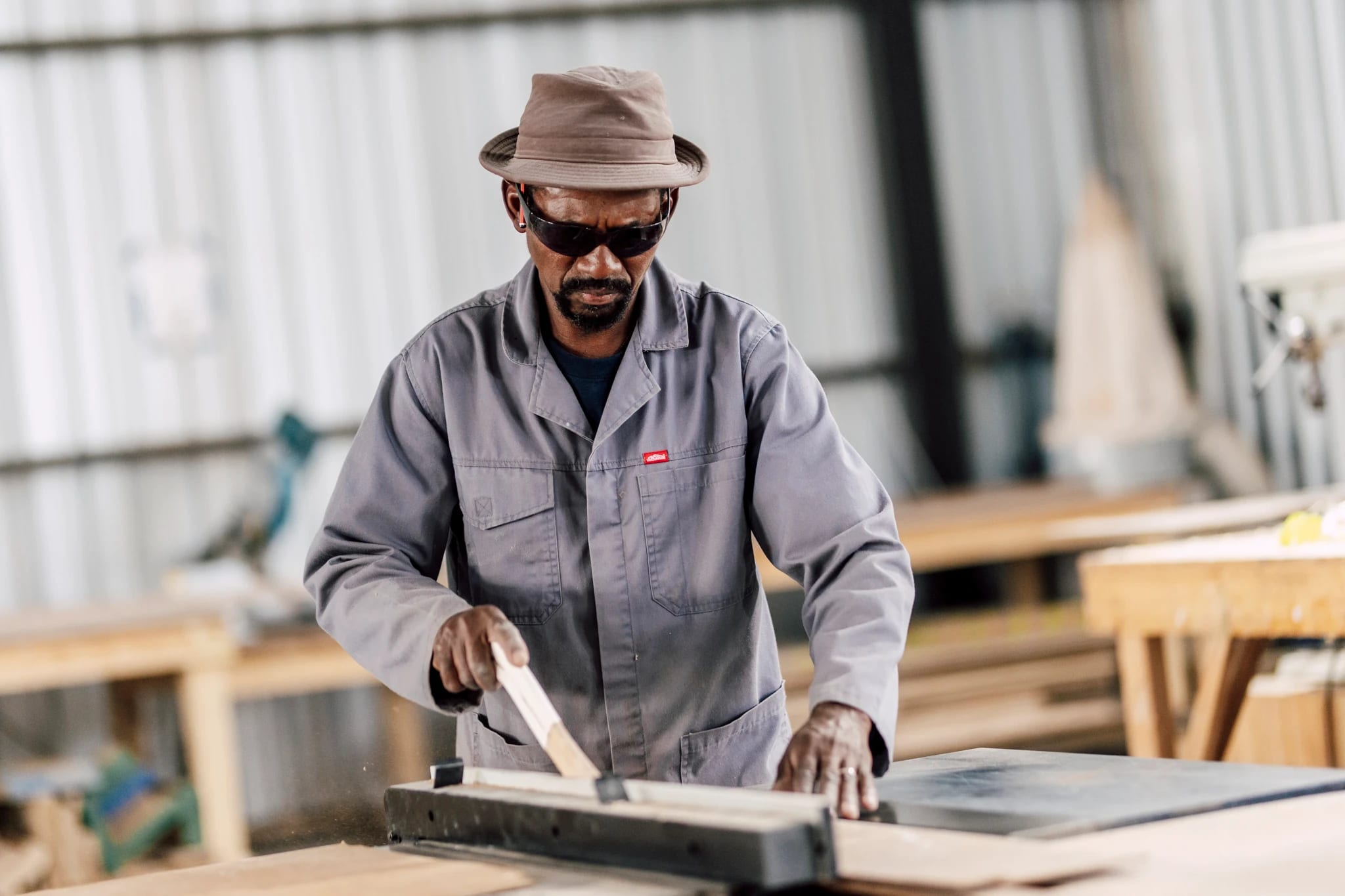
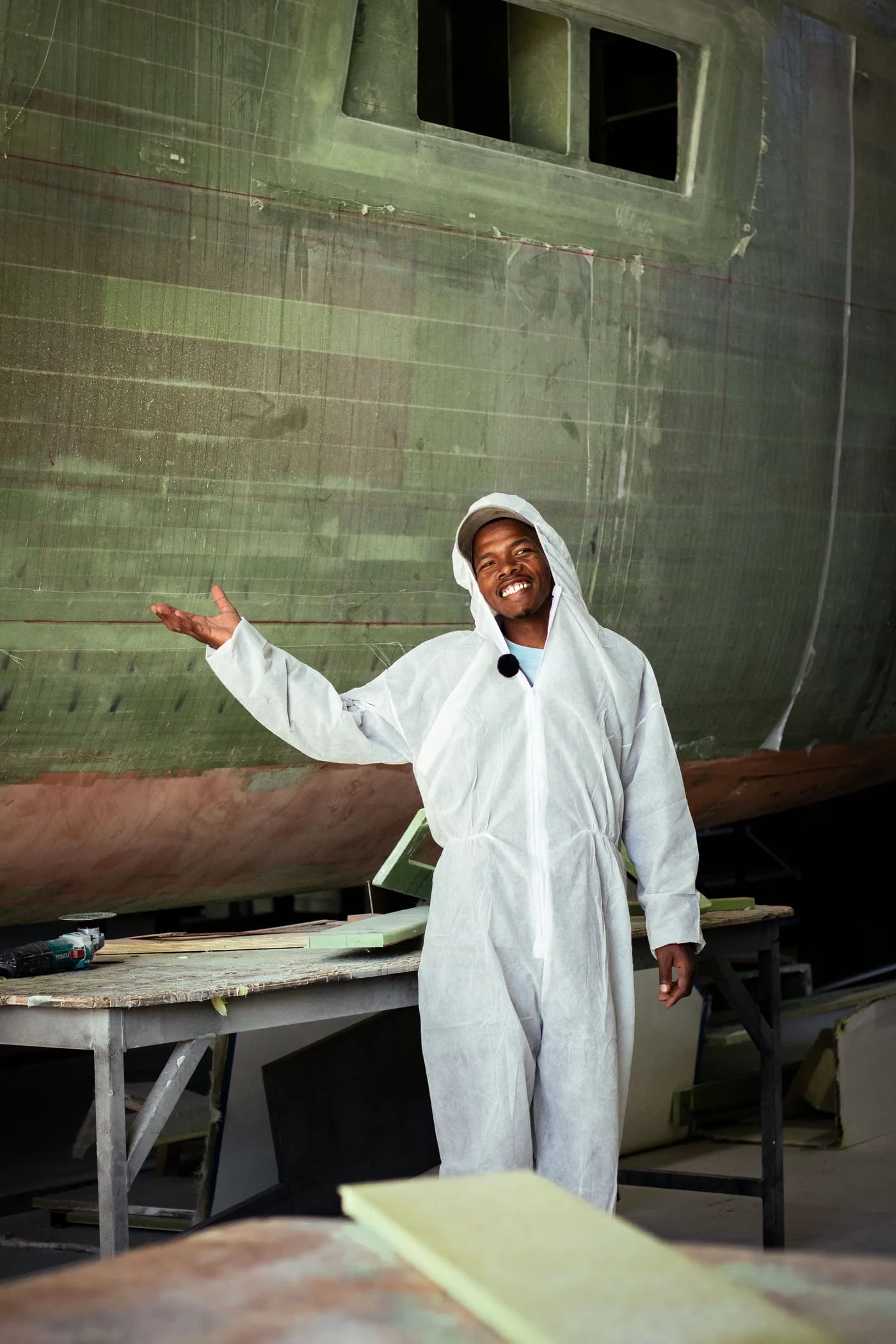
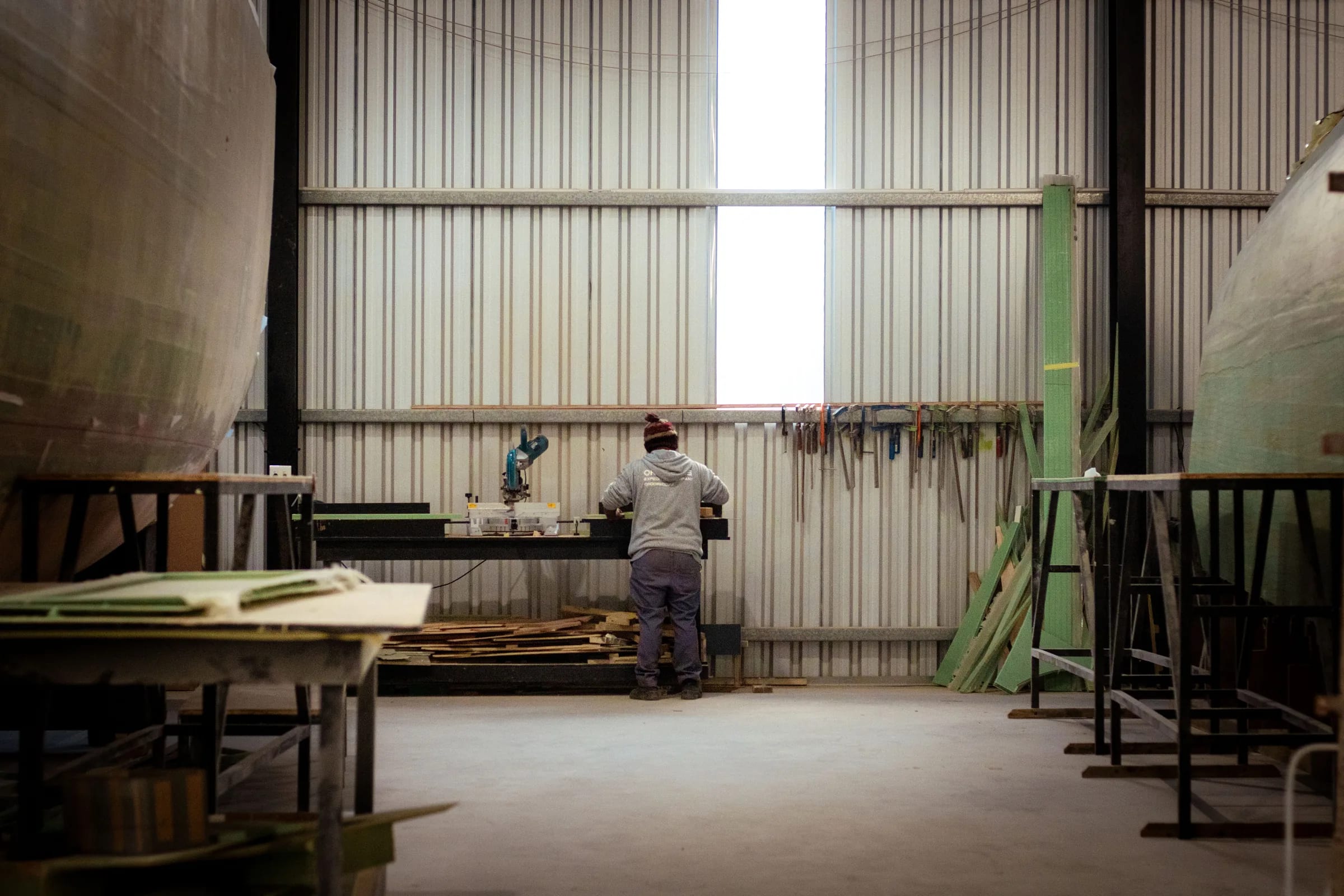
A craftsman at work in the yard

Inside the yard

Where the hours go.

Every Vision is built in Knysna, by the people in these photographs.

A hull begins as a drawing and a roll of cloth. It is marked out by hand, laminated by hand, and infused under vacuum in a temperature-controlled hall — the stage that decides what the boat weighs and how long it lasts.

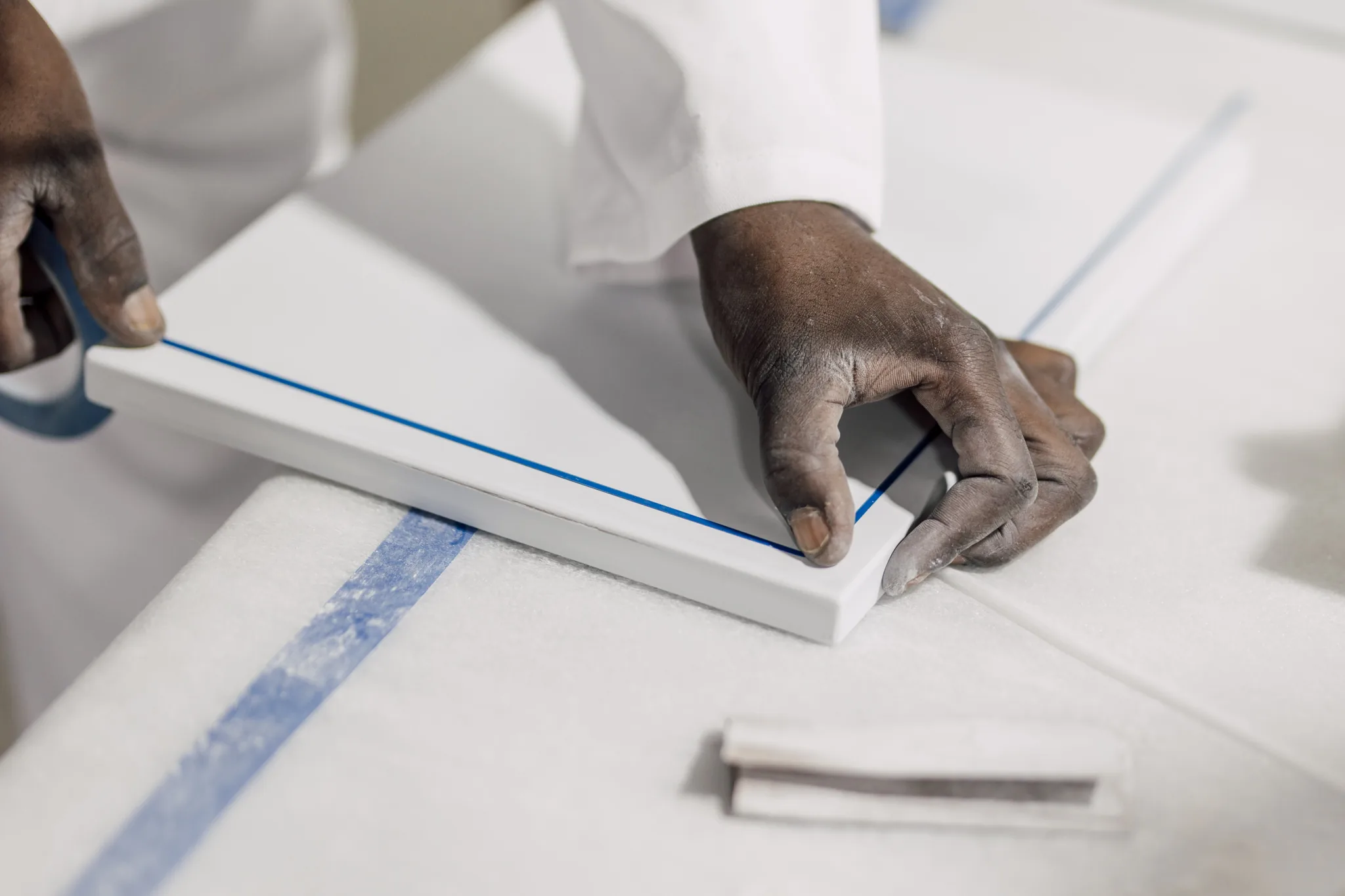
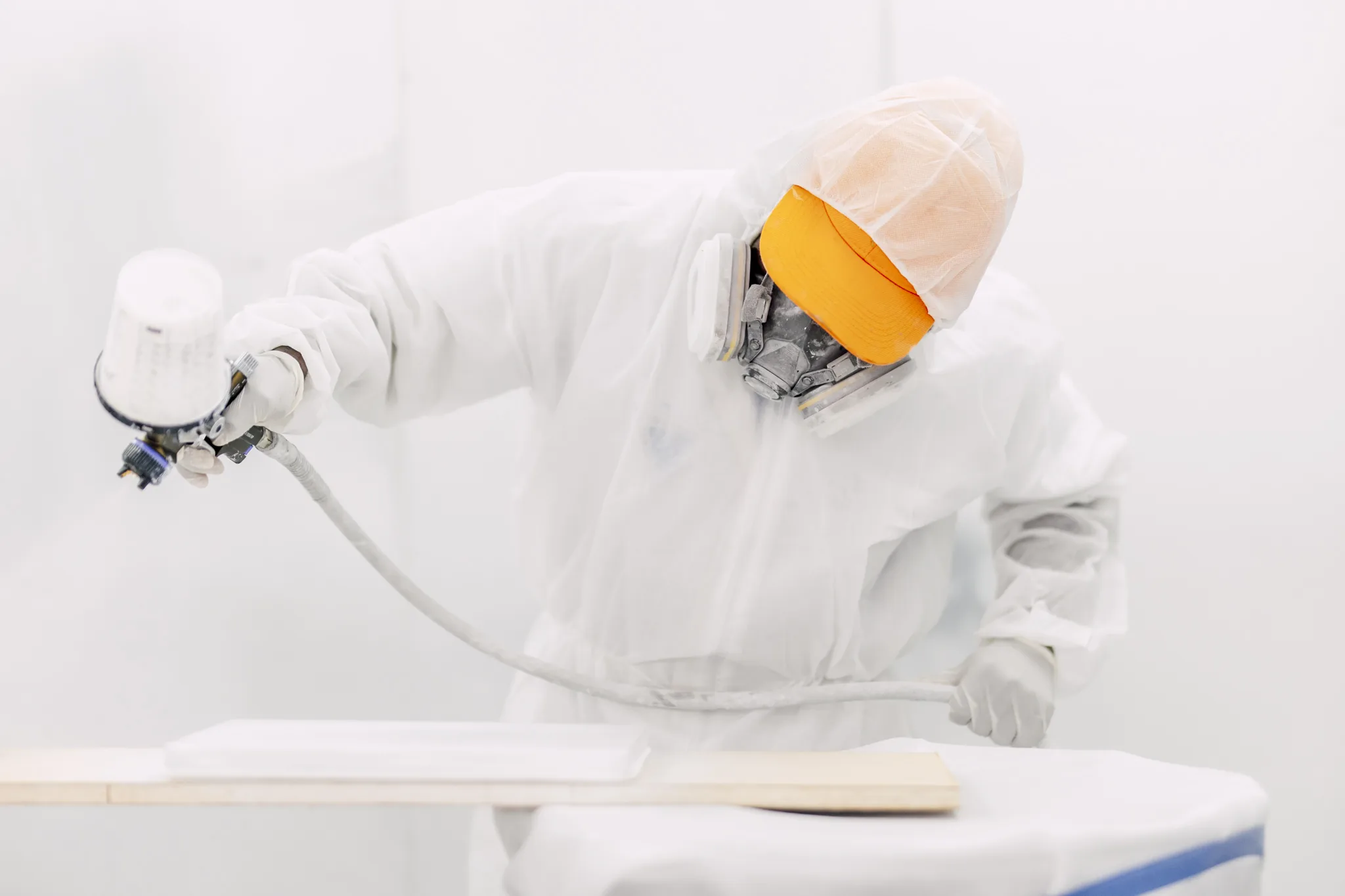
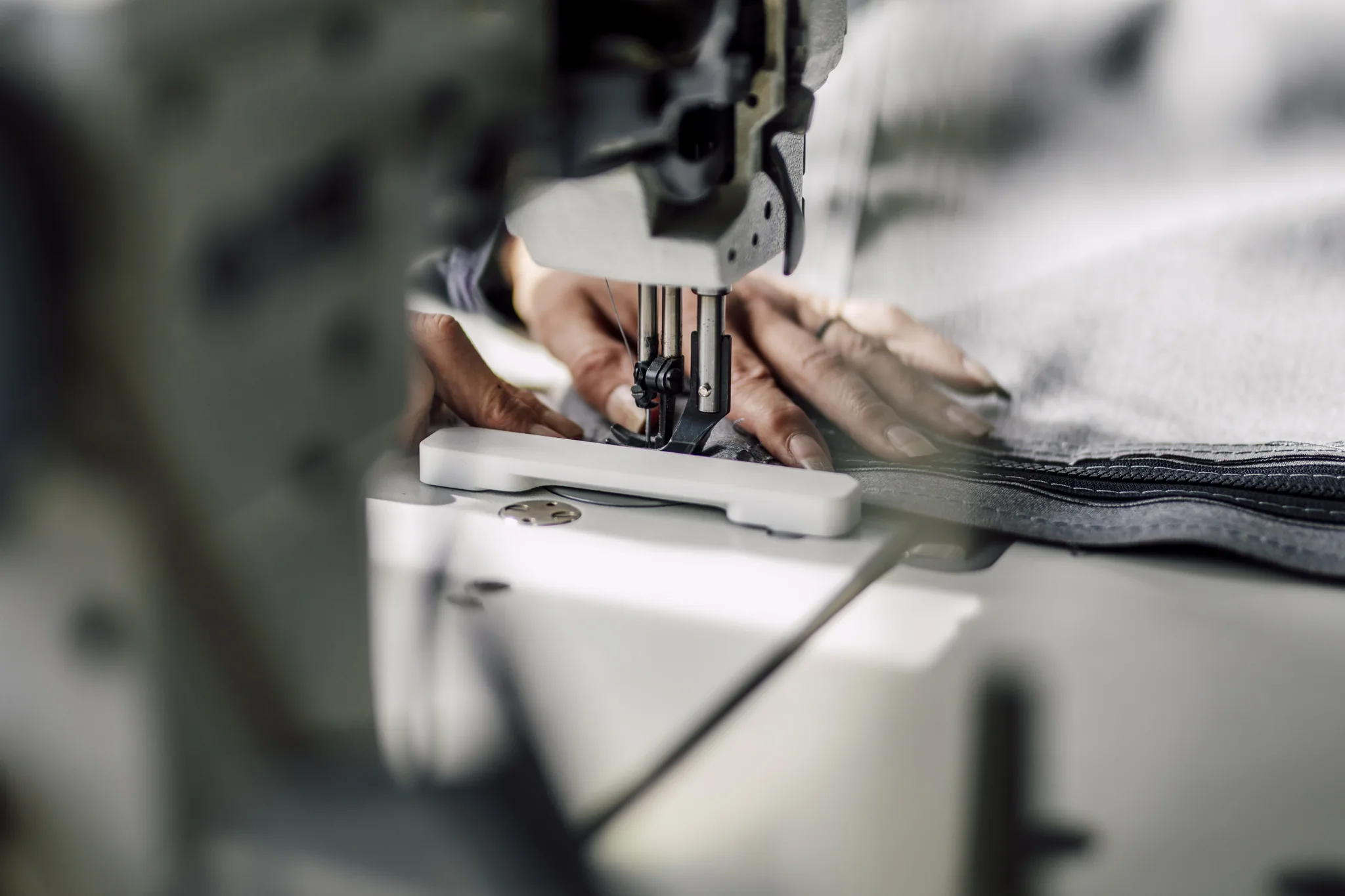
What follows is slower: fairing and paint, joinery cut to the millimetre, upholstery sewn in-house, and systems routed so that the person who has to service them at anchor can reach them.

Proof

The test is the ocean.

Solstice, Hull #30, sailed Cape Town to Grenada in 5 weeks. The 6,000 nautical mile journey is the most common first crossing taken by most Vision owners — a substantial shakedown cruise that every Vision leaves the docks designed for.

  1. 01

    Knysna

  2. 02

    Cape Town

  3. 03

    St. Helena

  4. 04

    Fernando de Noronha

  5. 05

    Grenada